Pressure washing has been used for years to clean the exterior of houses and other buildings, it is also commonly used on driveways and concrete. You take water and use a mechanical sprayer to shoot out wash at a much higher pressure than a regular hose. As a homeowner you are probably wondering if you really need pressure washing and if it is really worth the cost. Here are 3 reasons to pressure wash your home on a regular basis.
Keep it Looking Good
There is nothing that is more efficient than pressure washing to keep the exterior of your home clean. Pollutants, dust and car exhaust all gather on the exterior of your home making it look dingy and dirty. It doesn’t matter what the exterior surface of your home is made from, be it siding or brick pressure washing can bring it back to life.
When water at high pressure hits the surface of your home it will remove the majority of grime from your home, if you have a painted house then it can also remove old paint flakes. Power washing makes your home look brighter and well maintained and if you are considering selling it will boost your curb appeal. Here is a look at how pressure washing improved this home.
Maintaining Your Roof
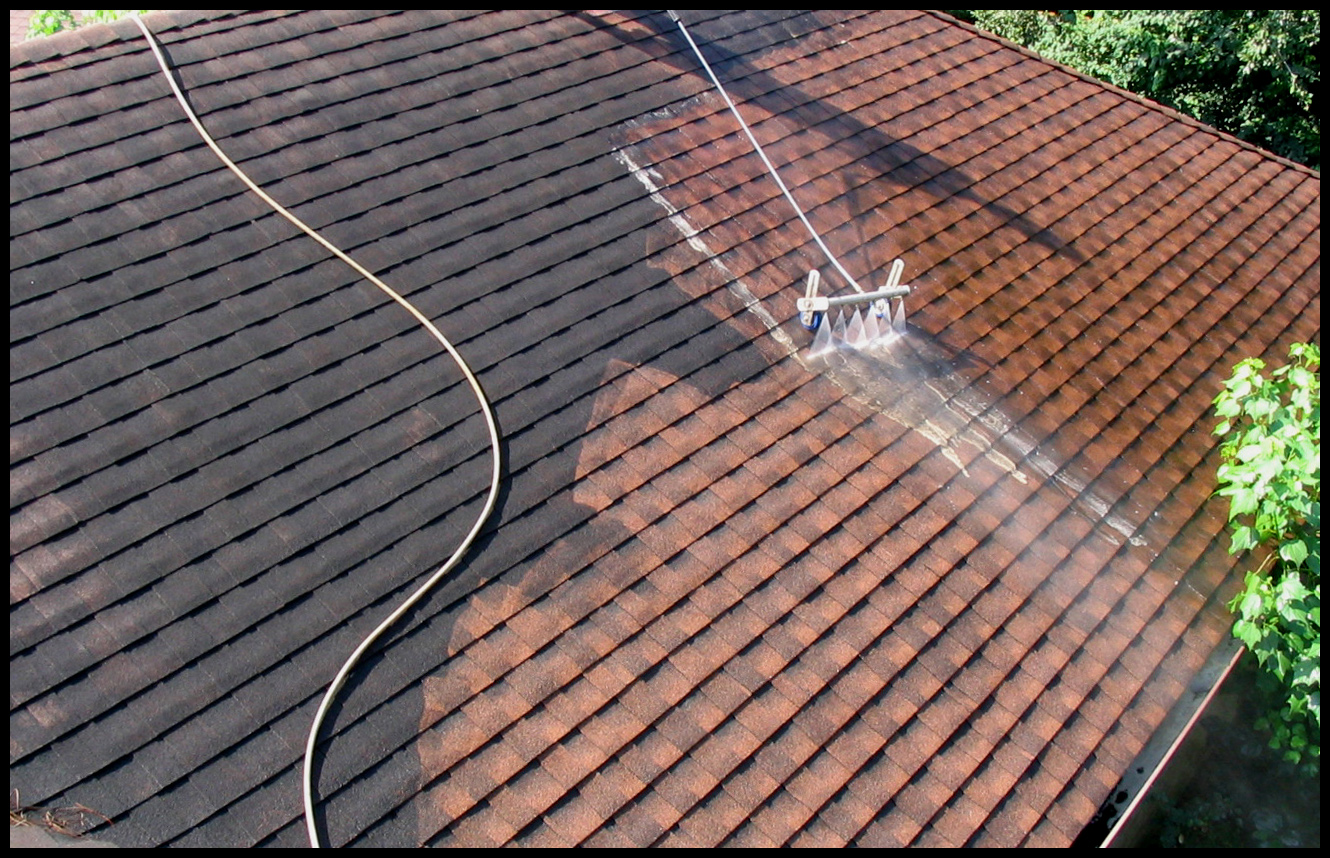
Your roof is often where moisture comes into your home, over time dirt, water and algae can all accumulate on the top of your roof. That can damage the wood that is part of your roof and cause shingles to lift. Cleaning it on a regular basis prevents mold from growing on your roof and damage from happening. Make sure that you remove any accumulated water that can absorb into the roof.
Maintaining Your Home’s Value
If you are remotely interested in selling your home then of course you want top dollar for it, one of the things your realtor will discuss with you is curb appeal. Curb appeal is making a positive first impression. Pressure washing helps to not only preserve the value of your home in terms of regular maintenance and a home in excellent condition has a lot more curb appeal.
If you have no intention of selling your home that doesn’t mean you shouldn’t pressure wash, on the contrary, you still want to do it on a regular basis to remove mold, grim and other contaminants that can damage your home.
for questions about Pressure washing please contact the Kelowna Pressure washing experts
Next Level Pressure Washing
#2 3070 Shetland Road
Kelowna B.C.
V1V 3A7
Phone 778-760-9056